The Role of Concrete in Building Energy-Efficient Structures Jul 05, 2026
First, let's explore why concrete is integral to constructing energy-efficient buildings. One of the primary benefits of using concrete is its thermal mass properties. Thermal mass refers to a material's ability to absorb, store, and gradually release heat. Concrete's excellent thermal mass means that it can help regulate indoor temperatures, reducing the need for artificial heating and cooling. This can lead to significant energy savings, as buildings with concrete construction can maintain a more stable temperature throughout the day, alleviating the psychological and physical load on HVAC systems.
Additionally, concrete's high thermal mass is especially beneficial in climates with extreme temperature variations. For instance, during the winter, concrete absorbs heat from the sun's rays, releasing it during the cooler evenings, keeping the indoor environment comfortable. Similarly, in summer, it minimizes the impact of the sun’s heat during the day by storing and slowly dispersing it during cooler nights.
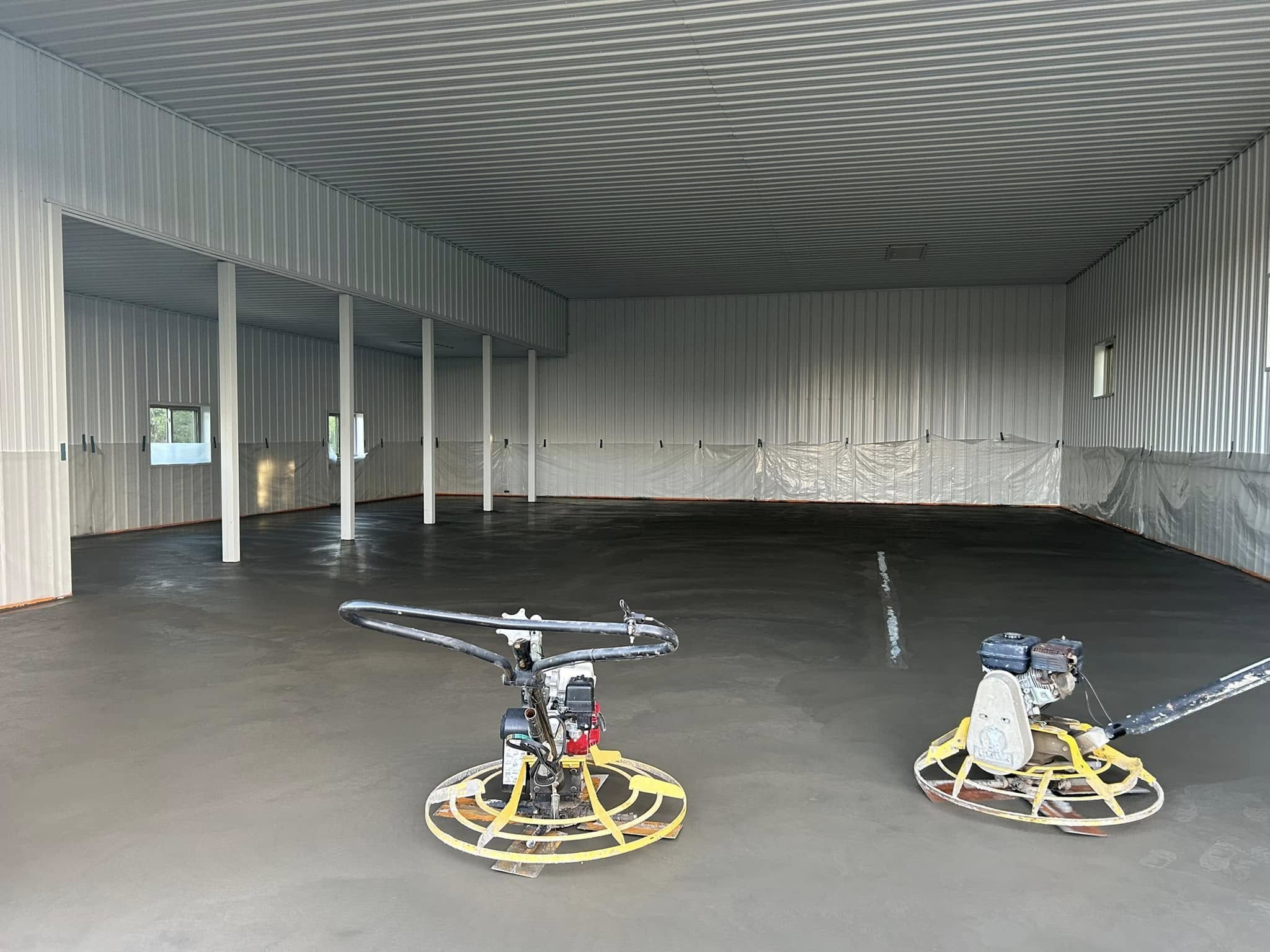
Furthermore, concrete structures are highly adaptable to various energy-efficient technologies. For example, radiant floor heating systems work exceptionally well with concrete floors. Concrete's conductive qualities allow for even heat distribution, enhancing the efficiency of such systems. In addition, concrete walls and foundations can be integrated seamlessly with advanced insulation systems, boosting their insulating capabilities and contributing further to energy conservation.
From an environmental perspective, concrete is also a sustainable building material. It utilizes locally sourced components, reducing transportation emissions and impact on the environment. Moreover, concrete can be made using recycled materials and industrial by-products, diminishing its carbon footprint and promoting a more sustainable construction cycle. At Anderson Concrete Construction, we advocate for the use of eco-friendly concrete blends that contribute to sustainability without compromising on quality or performance.
Another critical aspect is the longevity of concrete. Concrete's durability means that buildings require less frequent repairs and replacements, thereby reducing material waste and the environmental costs of continual refurbishment. This longevity also diminishes the building lifecycle costs, making concrete an economically sound option for building owners looking to invest in sustainable construction.
Concrete also supports innovative designs that include green roofs and walls, which can further improve a structure’s energy performance. Green roofs provide additional insulation and reduce heat loss, while green walls can minimize heat absorption, contributing to a building's overall energy efficiency.
In conclusion, concrete is a versatile material that enhances energy efficiency through its thermal properties, adaptability, and sustainable qualities. At Anderson Concrete Construction, we are dedicated to promoting the use of concrete in creating energy-efficient buildings that align with modern sustainability goals. By leveraging concrete’s inherent benefits, we can contribute significantly to reducing energy consumption and promoting environmentally responsible construction practices. Embracing concrete as a key component in energy-efficient architecture not only benefits the environment but also provides long-term cost savings and comfort for building occupants.
/filters:no_upscale()/filters:format(webp)/media/fe6c0ba0-5961-4012-9910-a3cc4ef480f0.jpg)