The Impact of Weather on Concrete Projects and How to Mitigate Risks Apr 12, 2026
Weather can impact concrete projects in several ways. Temperature variations, rain, wind, and humidity all play a part in how concrete sets, cures, and ultimately performs. For example, during hot temperatures, water can evaporate rapidly from fresh concrete, leading to increased strength loss and potential cracking. Conversely, cold weather can slow down the curing process, leading to delayed project timelines and weaker structures.
Rain is another critical consideration. Excessive moisture can dilute the mix ratio and compromise the concrete’s structural integrity. It’s vital to prevent any exposure to rain during the curing phase to maintain the concrete's strength and durability. Wind, while often overlooked, can also accelerate evaporation, influencing the curing process of the concrete surface.
Humidity levels, too, can affect curing time and concrete strength. High humidity can prolong the cure time, whereas low humidity can cause dehydrated concrete, leading to superficial cracking and reduced durability.
To mitigate these risks, Anderson Concrete Construction employs several strategies, ensuring your projects remain unaffected by adverse weather. One effective approach is scheduling pours during favorable weather conditions. By closely monitoring weather forecasts, our team plans projects to avoid extreme temperatures or rain. When unavoidable, necessary adjustments are made to concrete mixtures to suit the anticipated weather conditions, such as using additives that accelerate or slow down the curing process as needed.
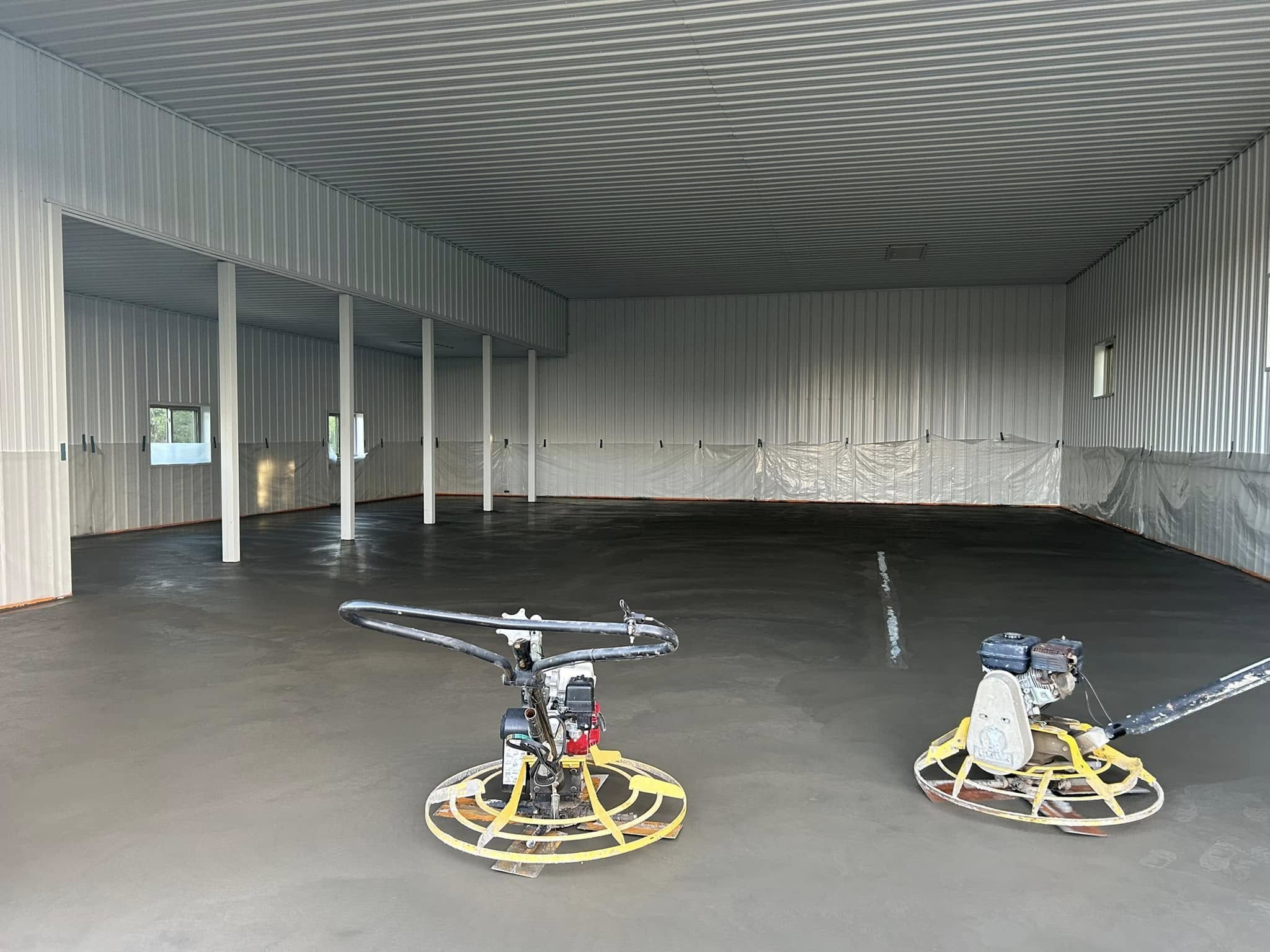
Using protective coverings is another crucial step. These coverings help control the environment around the curing site, protecting the concrete from rain, wind, and extreme temperatures. By employing insulated blankets, tarps, or plastic sheeting, our team ensures that the curing process is consistent and optimally protected against the elements.
Implementing adequate curing techniques is essential as well. Curing compounds that retain moisture can be sprayed onto the concrete surface, reducing evaporation rates and preventing surface cracking. For cold conditions, heating blankets or ground thaws can be used to maintain optimal curing temperatures, safeguarding the structural integrity of the concrete during the cure.
For clients, it’s wise to engage a knowledgeable contractor like Anderson Concrete Construction that understands the intricacies of weather-related challenges. Our hands-on approach and dedication to quality mean we prioritize minimizing potential weather impacts from the planning phase through project completion.
In conclusion, weather significantly affects concrete projects, but with strategic planning and expert execution, these challenges can be effectively managed. By partnering with Anderson Concrete Construction, you're ensured a meticulous and weather-resilient approach to all your concrete needs. Whether it’s mitigating the risk of summer heat or winter chill, our seasoned professionals are prepared to deliver high-quality results that stand the test of time.
For any further inquiries or personalized advice regarding your upcoming concrete projects and how to manage weather impacts effectively, feel free to reach out to our team for assistance. Embrace a secure and robust construction process with Anderson Concrete Construction by your side.
/filters:no_upscale()/filters:format(webp)/media/fe6c0ba0-5961-4012-9910-a3cc4ef480f0.jpg)