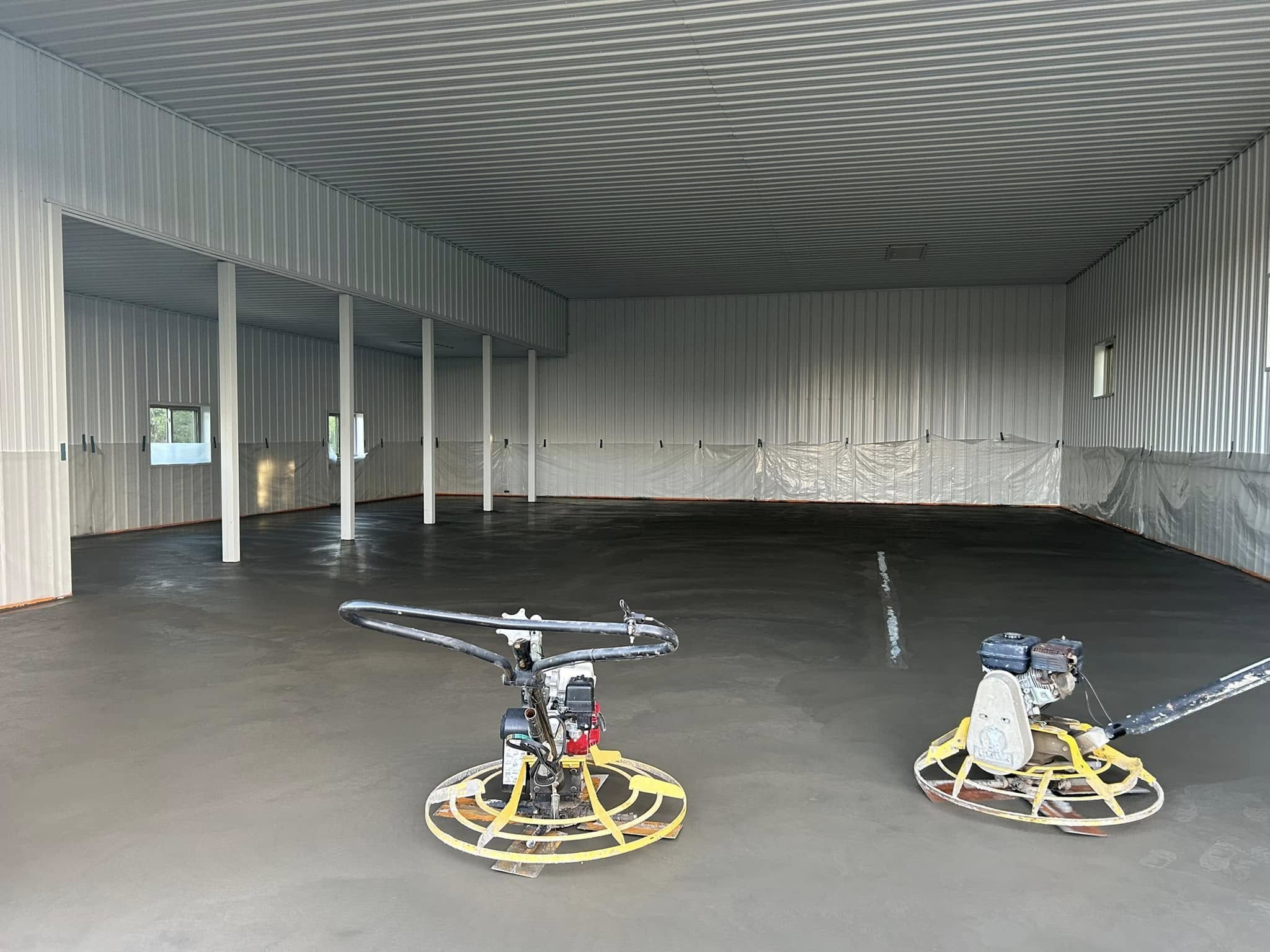
Mastering Precision: Techniques for Flawless Concrete Pouring Mar 14, 2026
Before any concrete is poured, meticulous planning is crucial. This begins with choosing the right concrete mix based on the specific needs of your project. Factors such as weather conditions, intended use, and the desired finish all play a role in determining the ideal mix. For instance, a driveway that needs to withstand heavy vehicles will use a different mix than a decorative patio. Utilizing high-quality materials also cannot be overstated, as this foundational aspect sets the stage for durable and long-lasting concrete.
Once you have the right materials, site preparation becomes the next vital step. Begin by ensuring the area is clean, level, and free from any debris that might interfere with the pouring process. Setting up a robust framework is essential as it provides the concrete its shape and supports it until it cures. This stage might sound mundane, but even slight irregularities in the framework can affect the final result, potentially causing uneven surfaces or compromised structural integrity.
Achieving the right consistency in the concrete mix is an art. A mix that is too watery might not hold its shape and could cause cracking, while a mixture that’s too thick can lead to difficult pouring and incomplete settling. At Anderson Concrete Construction, we recommend conducting a slump test, which measures the consistency of the concrete and is an excellent way to ensure that your mix is just right.
When it comes to the actual pouring, timing is everything. Concrete should be poured steadily and continuously to avoid setting at different rates, which might result in lines or weaknesses in the slab. As you pour, it’s vital to spread the concrete evenly using a rake or shovel, facilitating a uniform surface that can reduce the risk of cracking over time.
Immediately after pouring, the concrete must be properly compacted to remove any trapped air pockets, which could weaken its structural integrity. Vibration is a common technique used to achieve this, ensuring the mix settles correctly and reducing the likelihood of air bubbles.
The curing process is often overlooked, yet it remains critical for achieving optimal strength and durability. Curing involves maintaining adequate moisture, temperature, and time after pouring. Concrete should not be allowed to dry too rapidly since this could lead to surface shrinkage and cracking. Covering it with a plastic sheet or wet burlap can prevent moisture loss, ensuring that it cures evenly without stress.
Finally, the finishing touches—such as sealing the concrete—protect it from the elements and enhance its appearance. Sealants can prevent water penetration, resist stains, and even improve color and texture, making it a crucial step in the concrete finishing process.
In conclusion, mastering concrete pouring involves careful attention to detail from start to finish. With careful planning, the right materials, expert techniques, and a focus on curing and finishing, your concrete project with Anderson Concrete Construction can achieve both beauty and durability. Whether you're a DIY enthusiast or a professional contractor, these tips will elevate your next project, ensuring a flawless result that stands the test of time.
/filters:no_upscale()/filters:format(webp)/media/fe6c0ba0-5961-4012-9910-a3cc4ef480f0.jpg)