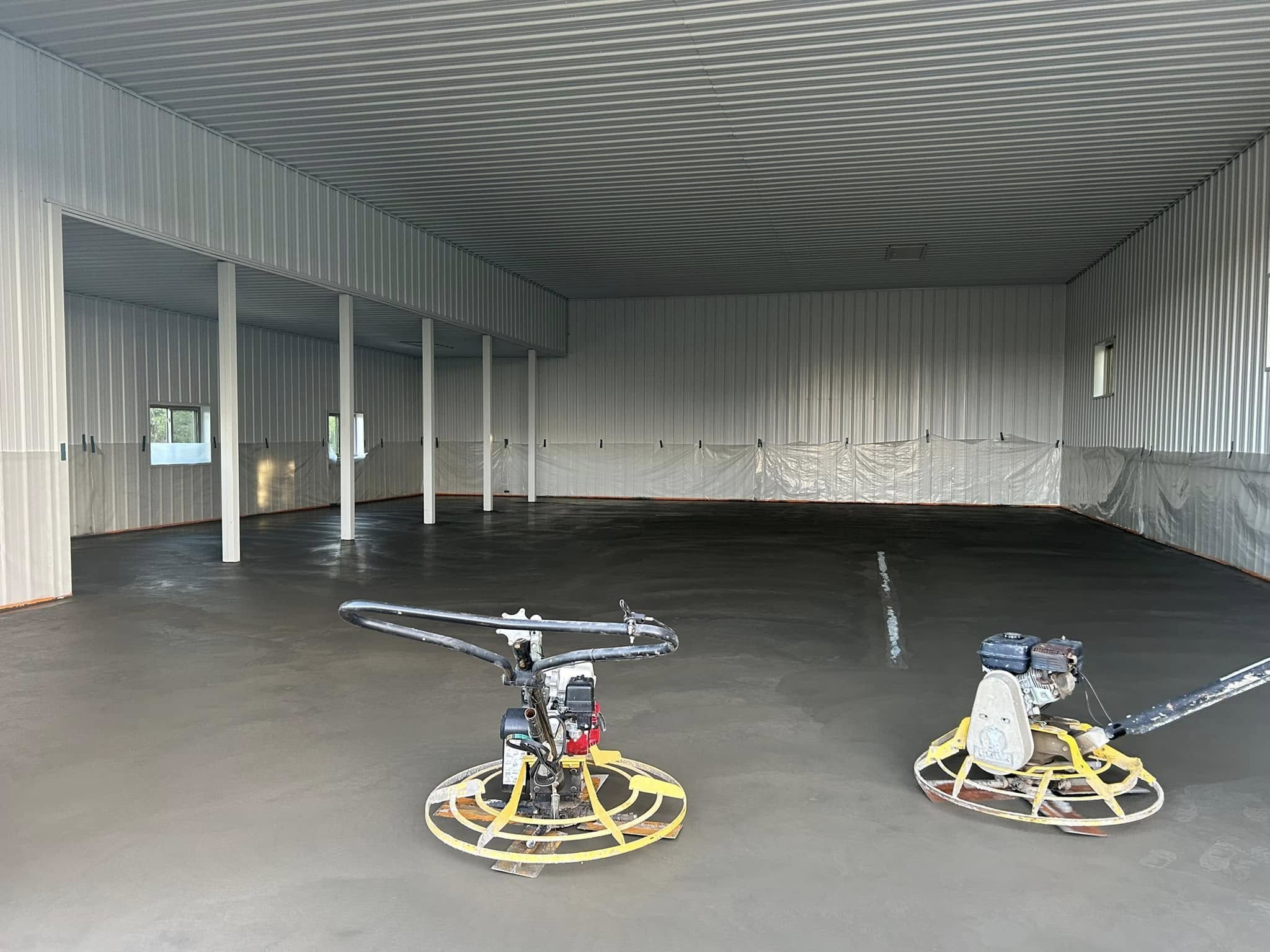
Exploring the Benefits of Lightweight Concrete in Modern Architecture May 10, 2026
Lightweight concrete, characterized by its lower density compared to traditional concrete, has become increasingly popular in architectural applications. This is largely due to its many advantages, which make it an appealing option for both architects and construction professionals alike.
One of the primary benefits of lightweight concrete is its reduced weight. Structures built with lightweight concrete impose less load on the building’s foundation, which can lead to substantial cost savings. Reducing the weight does not compromise the structural integrity; in fact, lightweight concrete provides sufficient strength for a wide array of architectural applications. This makes it an excellent choice for high-rise buildings, where minimizing the load on lower levels is crucial.
Furthermore, lightweight concrete enhances thermal insulation, contributing to energy efficiency. Buildings made from this material require less heating and cooling, which can lead to significant reductions in energy consumption and utility expenses. This is particularly advantageous in the pursuit of sustainable architecture and eco-friendly constructions, where energy conservation is a priority.
Another advantage is the improved sound insulation offered by lightweight concrete. Its porous composition helps in absorbing sound, making it ideal for buildings in noisy urban environments or for specific parts of a structure, like music studios and auditoriums, where sound control is essential.
Lightweight concrete is also praised for its versatility. It can be easily molded into a variety of shapes and sizes, allowing architects the creative freedom to design intricate and innovative structures. This flexibility extends to the range of finishes that can be applied, as lightweight concrete can be finished with different textures and appearances, making it ideal for those who wish to balance aesthetic appeal with structural functionality.
Additionally, lightweight concrete plays a role in improving construction efficiency. Since the material is lighter and easier to handle, it reduces labor costs and accelerates the building process. This can be particularly beneficial in projects with tight deadlines, offering a quicker turnaround compared to traditional concrete options.
Durability is yet another hallmark of lightweight concrete. Despite its lighter composition, it is more resistant to environmental phenomena such as freeze-thaw cycles, which can cause traditional concrete to crack over time. This results in lower maintenance costs, further enhancing the cost-effectiveness.
In conclusion, the adoption of lightweight concrete by Anderson Concrete Construction reflects a deep understanding of the material’s numerous advantages, shaping the way we think about modern buildings. From enhanced thermal and sound insulation to cost savings and design versatility, lightweight concrete is transforming architecture. Its role in sustainable and efficient building practices underscores its importance in the industry.
By leveraging these benefits, architects can craft innovative designs that not only meet the practical demands of modern construction but also contribute to a more sustainable future. Whether you are a developer seeking to improve your building's performance or an architect passionate about creative freedom, lightweight concrete offers a path to achieving those goals. Anderson Concrete Construction is committed to providing expertise and quality in utilizing this remarkable material, ensuring that your project stands at the forefront of architectural excellence.
/filters:no_upscale()/filters:format(webp)/media/fe6c0ba0-5961-4012-9910-a3cc4ef480f0.jpg)