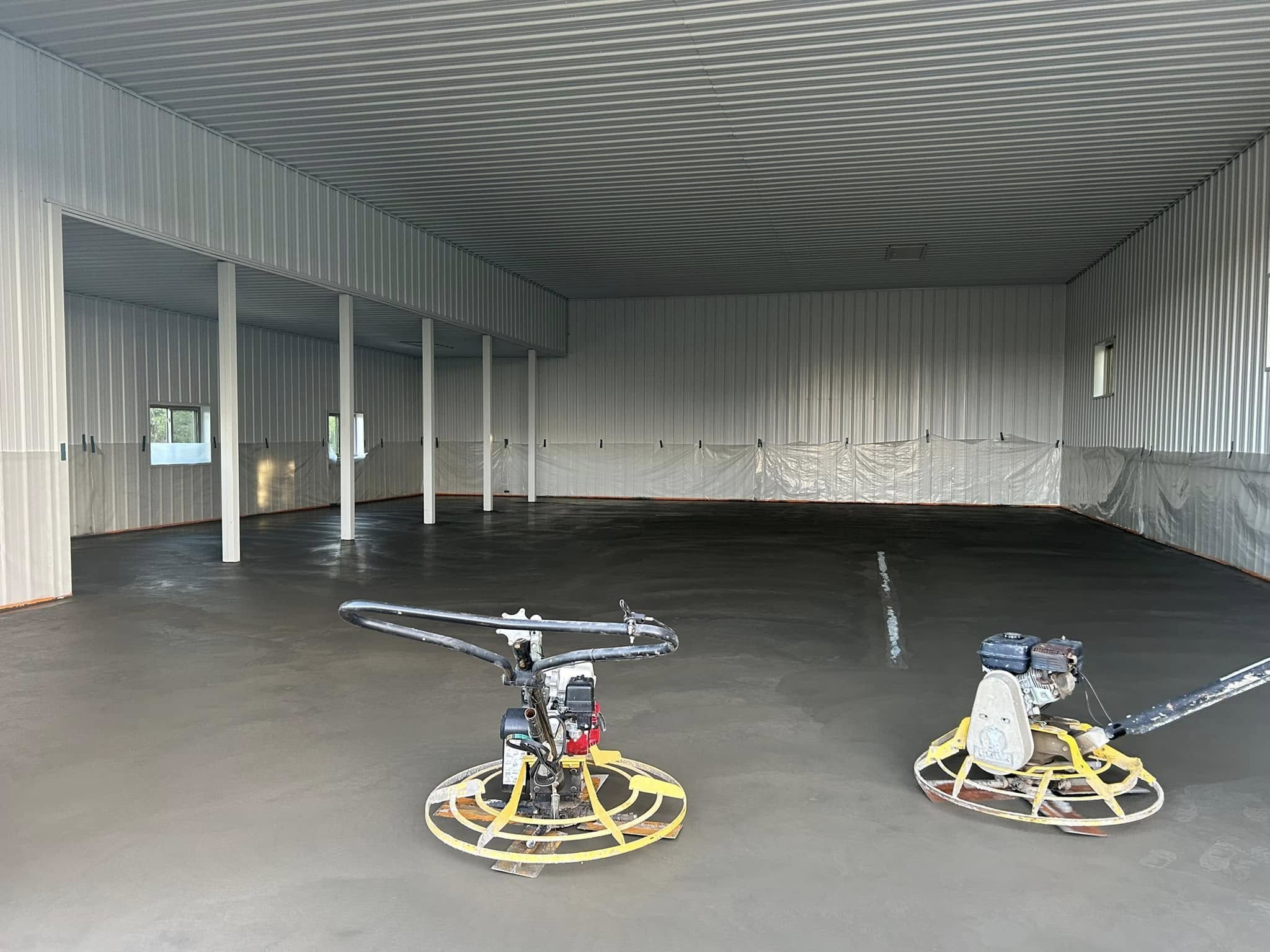
Ensuring Quality: The Importance of Proper Concrete Curing Techniques May 10, 2026
Concrete curing is the process of maintaining adequate moisture, temperature, and time in freshly mixed concrete to ensure proper hydration of cement, which is crucial for achieving the desired strength and durability. Improper curing can lead to decreased strength, cracking, and dusting, ultimately undermining the structural integrity of the concrete. By focusing on effective curing methods, we ensure that your concrete structures stand the test of time.
One essential technique in concrete curing is maintaining moisture. Freshly poured concrete must retain moisture to continue the chemical process known as hydration. Without adequate moisture, the concrete can dry too quickly, leading to surface cracking and weakened structural elements. Methods such as ponding, where water is continuously applied to the surface, or covering the surface with wet burlap or plastic sheets, can help retain moisture effectively. These techniques are especially critical in hot and dry climates where evaporation rates are high.
Temperature control is another crucial aspect of the curing process. Concrete must be kept at an optimal temperature to ensure proper hydration. If the concrete becomes too hot or too cold, the rate of hydration can be significantly affected, leading to poor strength development. In colder climates, insulated blankets or heated enclosures can be used to prevent the concrete from freezing. Conversely, in hot weather, shading or sprinkling water on the concrete’s surface can prevent rapid temperature changes and moisture loss.
Timing also plays a vital role in proper concrete curing. The first few days after pouring are crucial as the concrete begins to set and gain strength. The curing process typically lasts for about 7 days, but this can vary depending on the specific mix used and environmental conditions. Ensuring continuous curing during this period is important to attain the maximum strength and durability of the concrete.
Proper curing techniques not only enhance the physical properties of concrete but also extend its service life, reduce maintenance costs, and improve its appearance. By implementing robust curing practices, Anderson Concrete Construction helps prevent issues such as early onset cracks and surface imperfections. This attention to detail results in concrete structures that are not only strong and durable but also visually appealing.
In conclusion, proper concrete curing techniques are indispensable for maintaining the quality and durability of concrete structures. Whether you're constructing residential buildings, commercial spaces, or industrial facilities, the importance of this process is universal. At Anderson Concrete Construction, we prioritize these techniques to deliver high-quality, reliable, and enduring concrete solutions. By understanding and implementing effective curing practices, you ensure that your concrete investments are safeguarded for years to come, providing you with peace of mind and exceptional value.
/filters:no_upscale()/filters:format(webp)/media/fe6c0ba0-5961-4012-9910-a3cc4ef480f0.jpg)