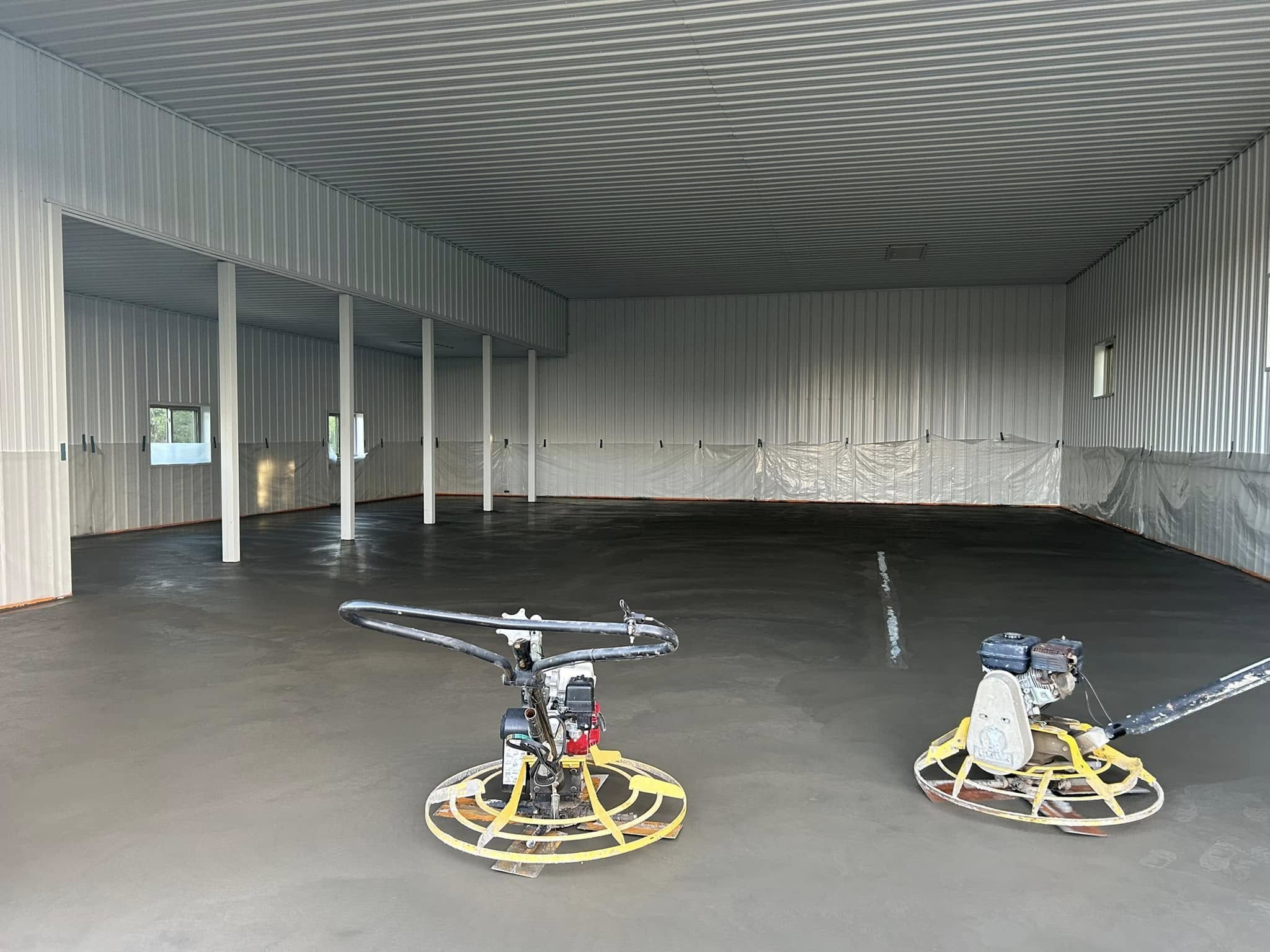
Crafting Resilient Foundations: Innovations in Concrete Foundation Systems Jun 16, 2026
The foundation is arguably the most critical component of any building. It supports the structure above and ensures longevity and stability. Innovative technologies and methods in concrete foundation systems offer enhanced benefits over traditional approaches, ensuring that structures are better equipped to withstand environmental stresses and load demands.
One of the primary innovations in the realm of concrete foundations is the use of high-performance concrete (HPC). This material not only enhances durability but also improves strength and workability. HPC is known for its ability to resist harsh weather conditions, reduce maintenance costs, and extend the lifespan of structures. Implementing HPC in foundation systems can lead to buildings that remain robust under significant stress.
Another significant advancement in foundation technology is the use of self-healing concrete. This type of concrete addresses the issue of cracks that develop over time due to stress or environmental impact. Self-healing concrete comprises microcapsules filled with a healing agent mixed into the concrete. When cracks form, these capsules rupture, releasing the agent and filling in the cracks, thus preventing further deterioration and avoiding costly repairs.
The integration of green building techniques is another growing trend in concrete foundation systems. Sustainable practices include using recycled materials such as fly ash or blast furnace slag in concrete mixtures. These materials not only reduce the environmental footprint but also enhance the performance characteristics of the concrete, making it a win-win solution for eco-conscious builders and homeowners.
To further boost foundation resilience, the implementation of geopolymers as an alternative to traditional concrete has gained traction. Geopolymer concrete is made using industrial by-products, and it offers similar mechanical properties to traditional Portland cement, yet with a significantly lower carbon footprint. Its resistance to corrosion and chemical attack makes it an attractive option for structures in challenging environments.
The use of advanced technology cannot be overlooked when discussing innovations in concrete foundation systems. Digital tools, such as Building Information Modeling (BIM) and 3D printing, are revolutionizing the way foundations are designed and assembled. BIM enhances precision in planning and executing foundation works, minimizing errors, and ensuring that every aspect of the construction adheres to design specifications. On the other hand, 3D printing is being explored as a method for creating complex forms quickly and efficiently, which can lead to reduced labor costs and accelerated project timelines.
In conclusion, the field of concrete foundation systems is evolving rapidly with numerous innovations enhancing durability, sustainability, and efficiency. Anderson Concrete Construction is committed to adopting these state-of-the-art techniques, ensuring that every project benefits from the latest in foundation technology. By staying informed about these advancements, property developers and homeowners can make educated decisions that contribute to the longevity and reliability of their structures. As building challenges continue to grow, so too does the need for innovation in crafting resilient foundations that will stand the test of time.
/filters:no_upscale()/filters:format(webp)/media/fe6c0ba0-5961-4012-9910-a3cc4ef480f0.jpg)